There's nothing wrong with eating non-fertilised eggs
One argument I came across several times was, hens produce eggs naturally. Moreover, if they're not fertilised, nothing will come of it the contents, so why not eat it?
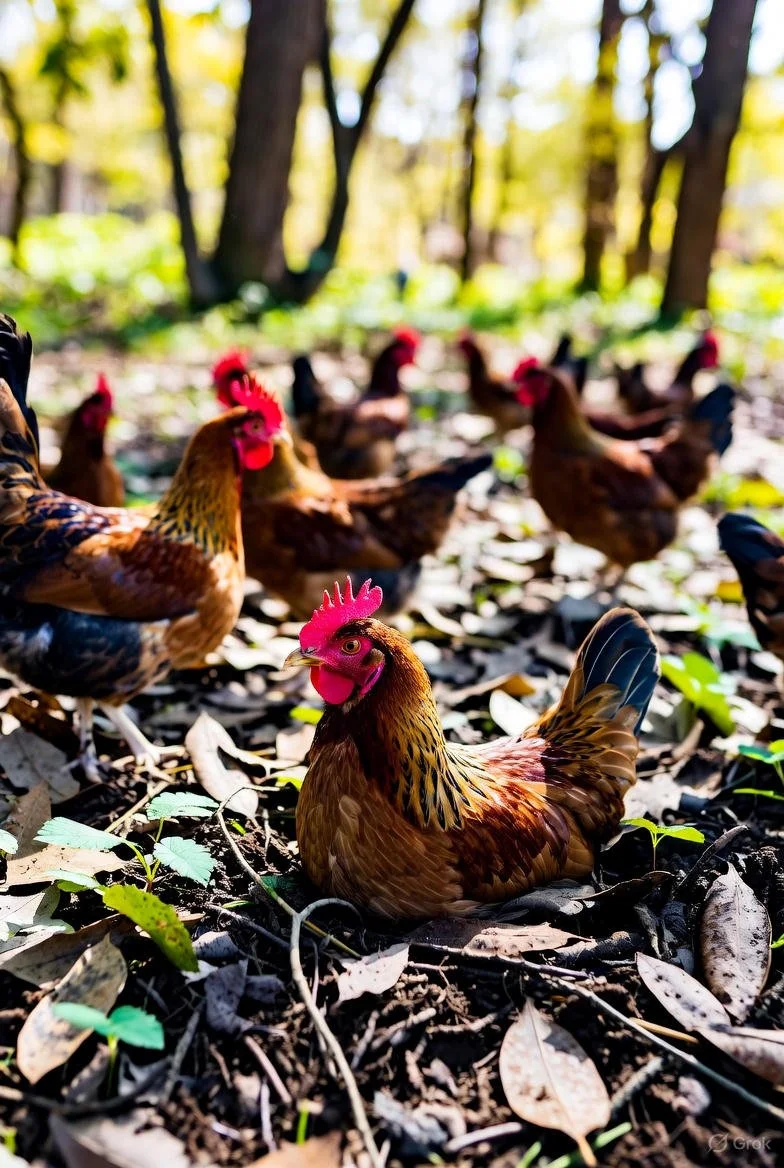
This paints an illusion. It made me image a field where the hens are free. They go off to lay their eggs but we know they're not fertilised so we take them and there's no harm done!
But it's not like that at all.
Are eggs good for your health or not?
There's been a lot of debate about whether eggs are detrimental to good health or not. Those who want to control calorie intake, often don't eat eggs. It has been said that, people on high sugar and high carbohydrate diets, shouldn't eat eggs because there's a higher risk of suffering from many diseases.
Does the production of eggs have a negative effect on the environment?
The quotes below are from the United Nations Food and Agriculture Organization’s report, "Livestock’s Long Shadow" and the United Nations News Centre's article about the report:
Livestock now use 30 per cent of the earth’s entire land surface, mostly permanent pasture but also including 33 per cent of the global arable land used to producing feed for livestock.
As forests are cleared to create new pastures, it is a major driver of deforestation, especially in Latin America where, for example, some 70 per cent of former forests in the Amazon have been turned over to grazing.
The livestock business is among the most damaging sectors to the earth’s increasingly scarce water resources, contributing among other things to water pollution from animal wastes, antibiotics and hormones, chemicals from tanneries, fertilizers and the pesticides used to spray feed crops.
(The livestock sector) is probably the largest sectoral source of water pollution, contributing to eutrophication, "dead" zones in coastal areas, degradation of coral reefs, human health problems, emergence of antibiotic resistance and many others. The major sources of pollution are from animal wastes, antibiotics and hormones, chemicals from tanneries, fertilizers and pesticides used for feedcrops, and sediments from eroded pastures.
A tight fit!
Some vegans don't eat eggs because they can't stomach the way the hens are kept. They may have a 'whole' cage to themselves but the cages are so tiny that they can't turn around or move in any way at all.